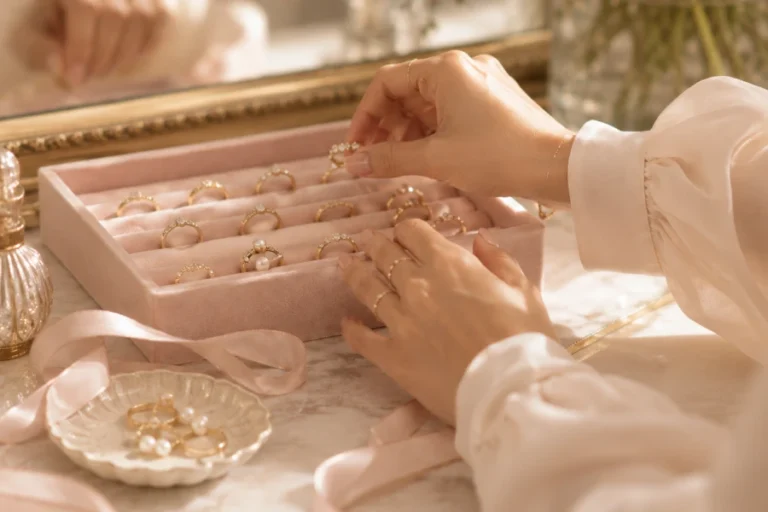
A jewelry collection system changes the way a woman sees her accessories. It turns a crowded tray into a clear style resource. Many collections grow through impulse, gifts, sales, and sentimental choices. Over time, beautiful pieces can still feel difficult to use. The problem is not usually taste. It is the absence of roles, boundaries, and editing habits. When every piece has a purpose, getting dressed becomes calmer. Shopping also becomes more selective. That is where wardrobe audit method support can make the collection feel intentional again.
Why Jewelry Collection System Thinking Changes Daily Style
Most jewelry drawers contain more possibility than people realize. A delicate chain may serve work outfits perfectly. A bold ring may belong to evening looks. Small hoops may quietly solve rushed mornings. Without a structure, those roles stay invisible. A better system helps each item earn attention. It also reveals pieces that no longer support real outfits. This shift feels practical, not restrictive. Instead of owning more, the wearer understands more. The result is a collection that feels personal, edited, and useful.
Start With What You Already Own
The strongest collections begin with an honest audit. Lay out pieces by category, metal, comfort, and frequency of wear. Notice what appears often. Notice what disappears for months. Some pieces may need repairs. Others may need better storage. A few may simply belong to another season of life. This process removes guilt from decision-making. It also creates room for better styling habits. A thoughtful capsule jewelry map can make the next step much clearer.
How Jewelry Collection System Rules Prevent Impulse Buying
Impulse buying usually happens when the collection lacks a plan. A new piece looks exciting because its role seems undefined. Later, it may duplicate something already owned. Rules help slow that pattern without removing pleasure. They ask whether the piece fills a gap. They ask whether it works with real outfits. They ask whether it feels comfortable enough to wear often. These questions protect money, space, and personal style. They also make future purchases more satisfying.
Jewelry Collection System Habits for Better Outfit Planning
Daily styling becomes easier when pieces are grouped by purpose. Some jewelry should support simple weekday clothes. Some should lift soft knits, silk shirts, or evening dresses. A few pieces can act as focal points. Others should stay quiet and polished. When those categories are clear, outfits come together faster. The wearer no longer starts from the whole drawer. She starts from the role needed that day. This creates confidence before the first clasp closes.
Use Storage as an Editing Tool
Storage should not only protect jewelry. It should also reveal patterns. Pieces worn weekly deserve the easiest access. Occasion pieces need visibility without clutter. Broken items need a separate repair area. Sentimental items deserve respect, but not daily confusion. When storage reflects use, the collection becomes more honest. Hidden piles often hide duplicate roles. Clear placement makes forgotten favorites easier to rediscover. A practical wishlist discipline framework can then guide future additions.
Jewelry Collection System Confidence Builds Over Time
A polished collection does not appear overnight. It improves through steady review. Monthly reflection helps identify what worked. Seasonal checks reveal gaps before shopping begins. Comfort notes prevent repeated mistakes. Repair plans keep valuable pieces wearable. Over time, the collection becomes smaller in confusion and stronger in function. Every addition has a reason. Every favorite has a place. That is the quiet power of building jewelry with discipline, memory, and personal style.