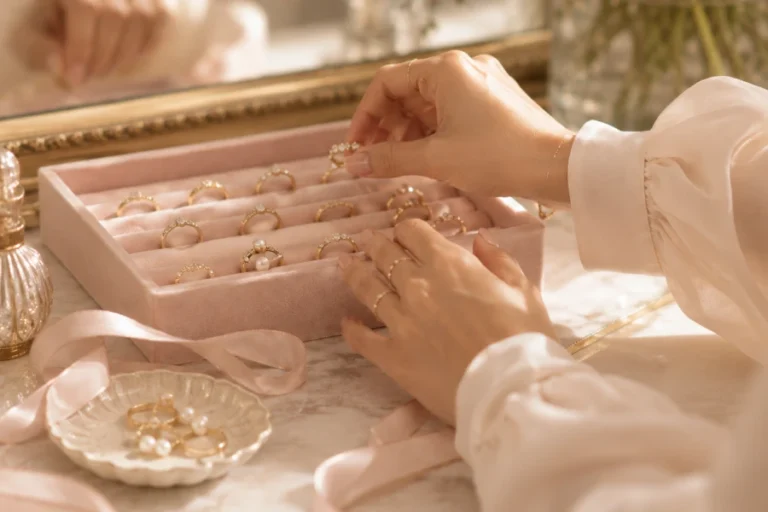
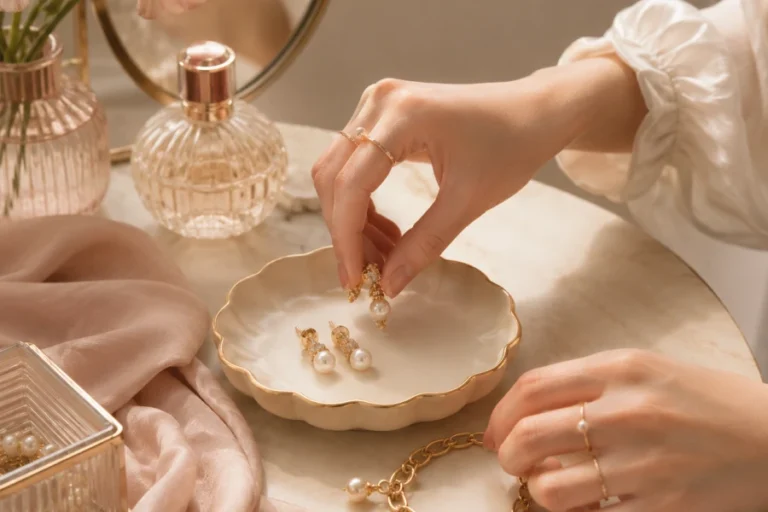
A jewelry wardrobe system connects personal style with smarter shopping. Many collections feel full but still incomplete. There may be many earrings but no reliable daily pair. There may be several necklaces but no clear occasion piece. Some items may hold memories without supporting current outfits. A structured wardrobe helps each piece serve a role. It also reveals which gaps matter and which wants can wait. The style role framework helps turn scattered ownership into a more intentional collection.
Why Jewelry Wardrobe System Planning Starts With Purpose
A jewelry wardrobe should reflect how someone actually lives. Workdays, weekends, travel, events, and personal rituals all shape the collection. Purpose helps define the right categories. It also prevents copying someone else’s ideal. A minimal wardrobe may need fewer pieces with strong versatility. A more expressive wardrobe may need clearer boundaries. The important question is not what looks impressive. It is what supports real outfits. Purpose gives every later decision a stronger foundation.
Build Core Categories Before Chasing Trends
Core categories create stability. Daily earrings, everyday necklaces, rings, bracelets, occasion pieces, and sentimental items all need definition. Without categories, shopping becomes emotional and scattered. Trends can still have a place. They simply should not replace essentials. A wardrobe with strong basics handles change better. It also makes statement pieces easier to wear. A practical core jewelry categories process keeps growth grounded.
How Jewelry Wardrobe System Rules Reveal Real Gaps
A gap is not just something missing from the drawer. It is something missing from real outfits. A woman may own many rings and still lack a comfortable everyday stack. She may own several chains and still need a polished work necklace. Gap analysis should connect jewelry to clothing, occasions, and wear frequency. That keeps shopping useful. It also prevents duplicate buying. The collection improves because purchases answer specific needs.
Jewelry Wardrobe System Editing Keeps the Collection Honest
Editing does not mean removing everything imperfect. It means understanding what each piece contributes. Some pieces need repairs. Some need better styling. Some belong to sentimental storage, not daily decision-making. Others may duplicate stronger options. Kind editing reduces guilt. It also reveals the pieces that truly work. A wardrobe becomes clearer when every item has a reason to remain. This clarity makes daily styling feel lighter.
Shopping Boundaries Protect Long-Term Style
Good shopping boundaries make purchases more satisfying. Cost per wear can reveal whether a piece fits real life. Wishlist rules can cool impulse decisions. Seasonal reviews can delay unnecessary buying. Travel needs can highlight versatile pieces. Stop-buying cues can protect the collection from crowding. These boundaries do not remove pleasure from jewelry. They protect it. The wishlist rules system helps future additions feel more considered.
Jewelry Wardrobe System Confidence Comes From Refinement
A jewelry wardrobe is never completely finished. It changes with seasons, clothes, occasions, and identity. The best system leaves room for refinement. It also prevents constant reinvention. Reliable formulas can support busy mornings. Occasion plans can reduce event stress. Travel sets can simplify packing. Sentimental separation can protect memory without confusing daily style. Over time, buying becomes calmer. Editing becomes kinder. The collection starts feeling less like storage and more like personal expression.