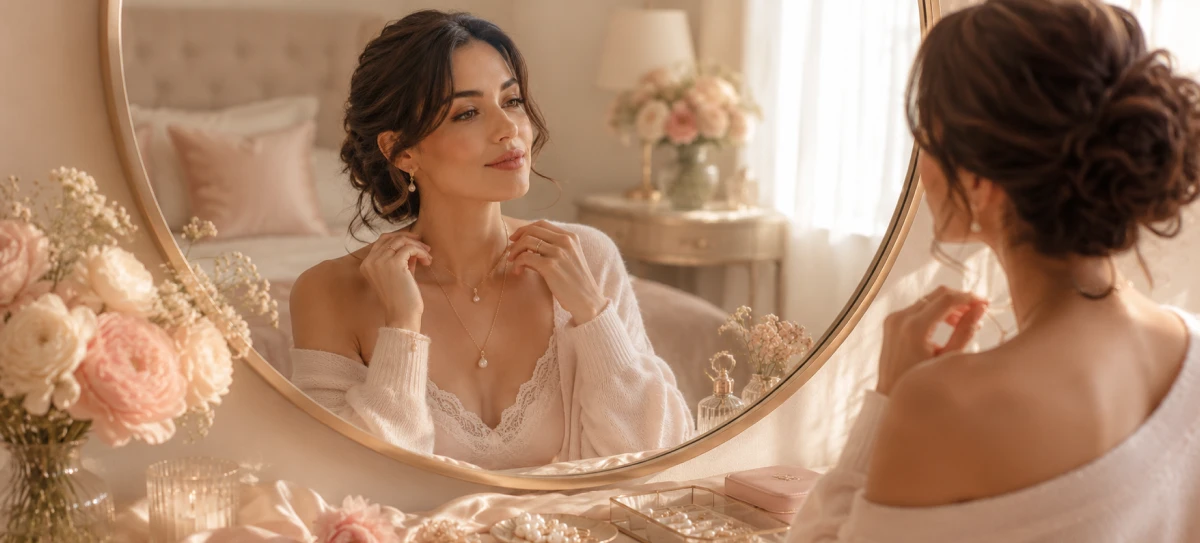
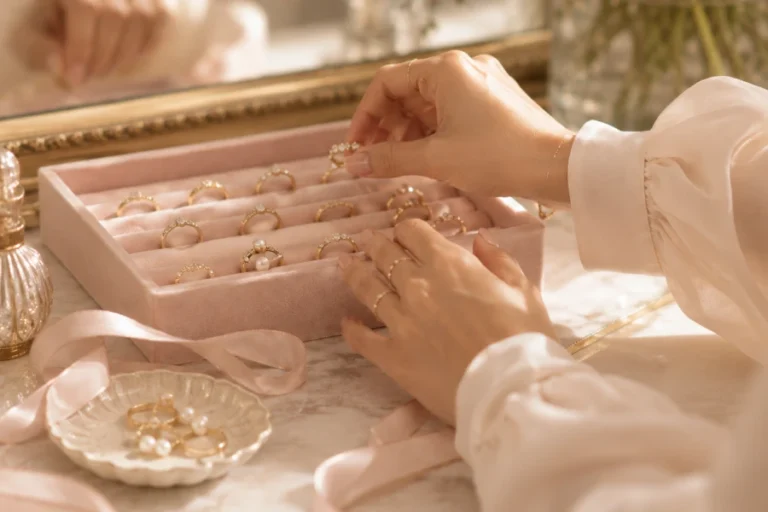
A jewelry styling system helps accessories support the outfit instead of distracting from it. Many people own beautiful pieces but still feel unsure when combining them. Earrings may overpower a neckline. Rings may compete with bracelets. Mixed metals may feel accidental. The right process brings order to those choices. It also keeps personal style visible. Jewelry should not feel like a last-minute decoration. It should complete the mood of the look. The outfit-based styling method makes that process easier to repeat.
Why Jewelry Styling System Choices Start With Intention
Polished jewelry styling begins before the first piece is chosen. The outfit already carries color, texture, shape, and occasion. Jewelry should respond to those signals. A crisp blazer may need restraint. A plain dress may welcome a statement earring. A soft sweater may benefit from warm metal. Intention keeps the final look cohesive. It prevents accessories from feeling random. It also helps the wearer express personality without losing balance.
Separate Support Pieces From Statement Pieces
Not every piece should lead. Some jewelry works best in the background. Small studs, plain bands, and slim chains create polish quietly. Statement pieces need more space. They should become the focal point, not part of a crowd. This distinction saves many outfits from looking overdone. It also gives favorite bold pieces better moments. With a clear focal point strategy, styling feels more deliberate.
How Jewelry Styling System Rules Improve Layering
Layering works across more than necklaces. Rings, bracelets, earrings, and metals all create visual layers. The challenge is deciding where the eye should land first. Too many strong areas can make the outfit restless. One focal zone usually works better. A necklace stack can lead while rings stay simple. Bold earrings can lead while the neck remains bare. These rules do not limit creativity. They give creativity a cleaner frame.
Jewelry Styling System Decisions Need Real Lighting
Jewelry changes under different light. High shine may look elegant indoors and harsh outside. A stone may glow in daylight but fade under warm lamps. Real lighting checks keep styling honest. They also reveal whether pieces photograph well. This matters for work events, dinners, travel, and daily confidence. A mirror in one room cannot answer every question. Testing the look in movement helps even more. Jewelry should feel alive, not frozen.
Comfort Protects the Finished Look
Comfort is often treated as secondary, but it shapes confidence. Heavy earrings change posture. Tight bracelets distract the hand. Rings that pinch rarely last through a full day. Necklaces that twist need adjustment too often. When comfort fails, polish fades quickly. A strong styling routine includes wear tests. It also includes repair notes and cleaning habits. The comfort check process keeps beauty connected to real life.
Jewelry Styling System Confidence Grows Through Repetition
Great style becomes easier when formulas repeat. A favorite work combination can become a morning shortcut. A dinner look can have a reliable jewelry pattern. A travel capsule can use fewer pieces with more purpose. Repetition does not make style boring. It makes style recognizable. The wearer learns what flatters her face, hands, neckline, and lifestyle. She shops with more discipline. She edits with less guilt. Most importantly, she feels finished without feeling overdone.